
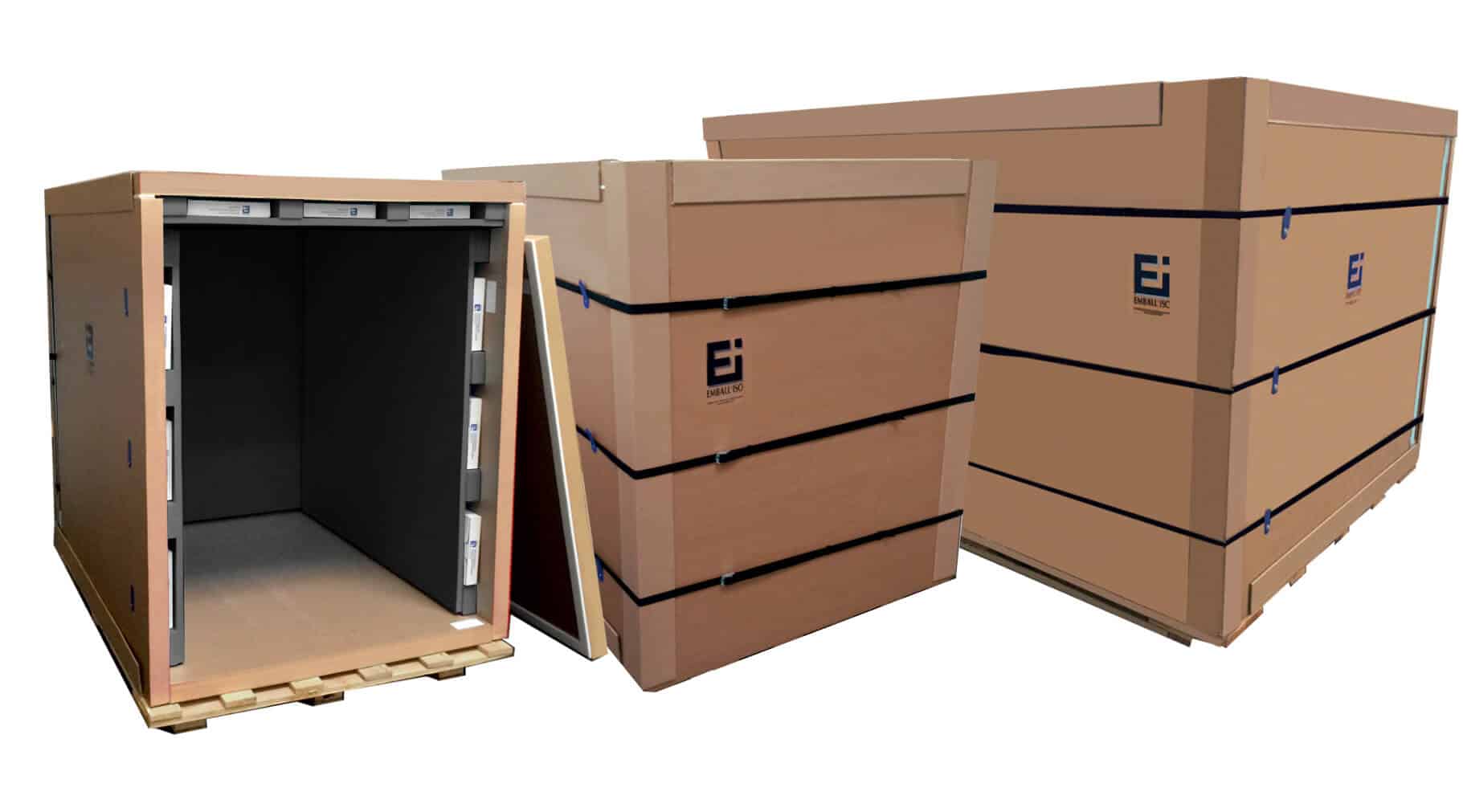
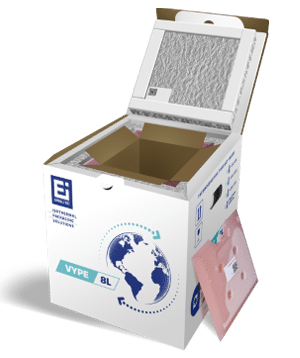
What Is Isothermal Packaging and How Does It Protect Temperature-Sensitive Freight?
Introduction
Temperature-sensitive freight is becoming increasingly critical across pharmaceuticals, biotechnology, veterinary products, specialty foods, and medical diagnostics. Even small temperature deviations can compromise product integrity, reduce efficacy, or result in complete loss of shipment value.
This is where isothermal packaging plays a vital role in modern cold chain logistics. It provides a passive, highly controlled environment designed to maintain product temperature without the need for continuous powered refrigeration.
At WestCool Refrigerated Transport, we work directly with time and temperature-sensitive freight every day across Western Australia. Our experience in cold chain logistics and packaging solutions gives us a practical, real-world understanding of how isothermal systems protect high-value cargo from temperature excursions.
Quick Summary
- Isothermal packaging maintains a stable internal temperature environment for sensitive freight
- It uses insulation materials and phase change materials (PCMs) to control heat transfer
- It operates without powered refrigeration (passive system)
- Commonly used in pharmaceutical, medical, and biotech logistics
- It is often used alongside refrigerated transport for maximum protection
- Properly validated packaging significantly reduces cold chain failure risk
What Is Isothermal Packaging?
Isothermal packaging refers to specialised insulated packaging systems designed to maintain a stable internal temperature range over a defined period of time. Unlike active refrigeration systems, isothermal packaging does not generate cold—it preserves it.
Instead, it slows down the transfer of heat between the internal payload and the external environment. This allows sensitive freight to remain within required temperature thresholds such as:
- 2–8°C (refrigerated pharmaceuticals and vaccines)
- 15–25°C (controlled room temperature products)
- Frozen ranges (-20°C and below, depending on configuration)
These systems are widely used where maintaining product stability is critical to safety, compliance, and performance.
How Isothermal Packaging Works
Isothermal packaging relies on a combination of engineered components that work together to control thermal exchange:
1. High-performance insulation materials
These may include expanded polystyrene (EPS), polyurethane (PUR), or vacuum insulated panels (VIPs). These materials reduce heat transfer through conduction and convection.
2. Phase Change Materials (PCMs)
PCMs are pre-conditioned cooling or warming elements that absorb or release thermal energy at specific temperatures. They help maintain a consistent internal environment over time.
3. Thermal design configuration
Packaging is carefully designed with controlled air gaps, layering, and payload positioning to minimise thermal bridging and hot spots.
Together, these elements create a “buffer zone” that protects freight from external temperature fluctuations.
Why Isothermal Packaging Is Critical for Cold Chain Freight
In temperature-sensitive logistics, the packaging is not just a container—it is a critical control point in the cold chain.
Isothermal systems help reduce risks such as:
- Temperature excursions during transit delays
- Exposure to extreme ambient conditions (heat or cold)
- Loading and unloading temperature fluctuations
- Equipment or vehicle dependency failures
For industries such as pharmaceuticals and clinical supply chains, even short excursions can render a shipment unusable. This makes passive thermal protection an essential layer of risk management.
Isothermal Packaging vs Refrigerated Transport
It is important to understand that isothermal packaging does not replace refrigerated transport—it complements it.
- Refrigerated transport (active systems): Maintains temperature using powered cooling units
- Isothermal packaging (passive systems): Maintains temperature through insulation and stored thermal energy
In practice, both are often used together to provide redundancy and resilience across the supply chain.
This hybrid approach is particularly valuable in Australia, where long distances, remote routes, and variable climates increase exposure risk.
Industries That Rely on Isothermal Packaging
Isothermal packaging is widely used across sectors where temperature stability is essential:
- Pharmaceutical distribution and GMP supply chains
- Clinical trials and laboratory sample transport
- Veterinary and animal health products
- Medical diagnostics and pathology specimens
- High-value specialty food
- Biotech shipments
Each of these industries depends on maintaining product integrity from origin to destination without compromise.
Why Validation and Experience Matter
Not all isothermal packaging systems perform equally. Real-world performance depends on proper validation, compliance with ISTA(International Safe Transit Association) 7D requirements, configuration, and handling procedures.
At WestCool Refrigerated Transport, we understand that cold chain success is not just about equipment—it is about execution. Our experience handling temperature-sensitive freight across WA gives us practical insight into:
- Packaging performance under Australian climate conditions
- Transit variability and risk exposure points
- Integration between transport and packaging systems
- Real-world compliance expectations for sensitive freight
This expertise allows us to support clients with more reliable and informed cold chain solutions.
Conclusion
Isothermal packaging is a critical component of modern cold chain logistics, providing passive thermal protection that helps maintain stable internal conditions for temperature-sensitive freight. By combining advanced insulation materials, phase change technology, and engineered design, it significantly reduces the risk of temperature excursions during transit.
However, its effectiveness depends on proper application, validation, and integration within a broader cold chain strategy that often includes refrigerated transport.
At WestCool Refrigerated Transport, we specialise in supporting time-critical, temperature-sensitive freight with practical cold chain expertise built on real operational experience across Western Australia. Our focus is ensuring your product arrives in the same condition it left—protected, compliant, and uncompromised.
Speak to WestCool About Isothermal Packaging Solutions
If you are moving temperature-sensitive freight and want to reduce risk, improve reliability, and strengthen cold chain performance, WestCool Refrigerated Transport can help.
👉 Visit our isothermal packaging page to learn more: https://westcooltransport.com.au/isothermal-packaging/
Or contact our team to discuss a tailored cold chain solution for your business