
The True Cost of a Cold Chain Failure: What Happens When Temperature Control Is Lost?
Introduction – Why Cold Chain Integrity Matters More Than Ever
In today’s global supply chain, cold chain logistics has become a critical safeguard for industries that depend on temperature-sensitive goods. From pharmaceuticals and vaccines to fresh food and biotechnology materials, even a brief loss of temperature control can compromise safety, compliance, and product integrity.
A cold chain failure is not a minor operational issue—it is a high-impact event with financial, regulatory, and reputational consequences that can ripple across entire supply networks.
At WestCool Refrigerated Transport, we specialise in high-precision, temperature-controlled logistics across Western Australia. Our focus is simple: ensuring that every shipment maintains integrity from pickup to delivery, no matter the conditions or complexity involved.
Quick Summary – Key Takeaways
- Cold chain failure can render entire shipments unusable within hours
- Financial losses include product write-offs, recalls, and insurance complications
- Pharmaceuticals and medical goods are among the highest-risk categories
- Regulatory breaches can result in fines and loss of accreditation
- Real-time monitoring and specialist transport significantly reduce risk
- Prevention is far more cost-effective than recovery after failure
What Is a Cold Chain Failure?
A cold chain failure occurs when temperature-sensitive goods are exposed to conditions outside their required storage range during transport, handling, or storage. These temperature excursions can compromise product stability, effectiveness, and safety.
Even small deviations—sometimes lasting only minutes—can render products unusable, depending on their sensitivity and regulatory requirements.
Common Causes of Cold Chain Failure
Cold chain breakdowns can occur for several reasons, including:
- Refrigeration unit malfunction or mechanical failure
- Human error during loading, unloading, or storage
- Delays in transport routes or unexpected disruptions
- Insufficient packaging insulation or poor load preparation
- Lack of real-time temperature monitoring systems
Each of these risks highlights the importance of specialist handling and tightly controlled logistics environments.
The Real Financial Cost of Cold Chain Failure
The immediate cost of spoiled goods is often only the beginning.
Product Loss and Write-Offs
In many industries, especially pharmaceuticals and food distribution, entire consignments must be discarded if temperature compliance cannot be verified. This can represent thousands—or even millions—of dollars in direct losses.
Insurance Complications
Insurance claims are not always straightforward. If a breach is linked to procedural failure or inadequate handling, claims may be reduced or rejected entirely.
Operational Disruption
A cold chain failure often triggers urgent replacement logistics, emergency sourcing, and rescheduling of downstream supply chain partners. This creates compounding costs far beyond the initial shipment.
The Hidden Costs Beyond Financial Loss
While direct financial losses are significant, the indirect consequences can be even more damaging.
Reputation Damage and Client Trust
In logistics, trust is everything. A single failure in temperature control can permanently damage relationships with clients who rely on consistent, compliant delivery.
Regulatory and Compliance Risks
Industries such as pharmaceuticals and healthcare operate under strict regulatory frameworks. Cold chain breaches can lead to:
- Compliance audits
- Fines and penalties
- Loss of certification or operating approvals
Health and Safety Implications
For medical and pharmaceutical goods, temperature deviation can directly affect product efficacy. In extreme cases, this may pose serious risks to patient safety.
Industries Most at Risk from Cold Chain Failure
Pharmaceuticals and Healthcare
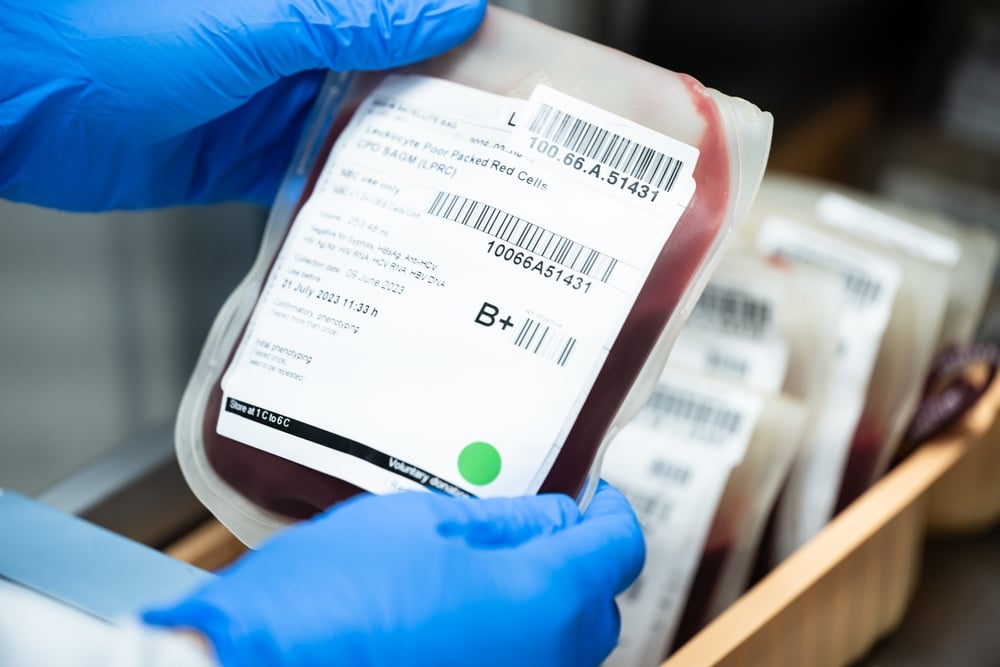
Vaccines, insulin, blood products, and biologics require tightly controlled temperature ranges. Even minor fluctuations can compromise effectiveness.
Food and Beverage Supply Chains
Fresh produce, seafood, dairy, and frozen goods rely on strict temperature control to prevent spoilage, bacterial growth, and product degradation.
Biotechnology and Research
Scientific samples, laboratory materials, and research compounds often require precise environmental conditions to remain valid for testing and development.
How Cold Chain Failures Can Be Prevented
Preventing cold chain failure requires a combination of technology, process discipline, and specialist expertise.
Real-Time Temperature Monitoring
Modern cold chain systems use IoT-enabled sensors to provide continuous visibility throughout transport. This allows immediate detection of temperature deviations before they escalate.
Specialist Refrigerated Transport Providers
Working with experienced cold chain logistics providers ensures that vehicles, handling processes, and operational procedures are designed specifically for temperature-sensitive freight.
At WestCool Refrigerated Transport, our systems are built around precision handling, controlled environments, and strict adherence to temperature requirements.
Contingency Planning and Risk Management
Effective cold chain logistics includes backup systems, alternative routing, and emergency response protocols to minimise disruption when unexpected events occur.
Why Expertise Matters in Cold Chain Logistics
Cold chain logistics is not a standard transport service—it is a specialised discipline requiring experience, accountability, and precision.
At WestCool Refrigerated Transport, we focus on high-value, time-critical, and temperature-sensitive freight. Our approach is built on:
- Strict temperature compliance protocols
- Premium refrigerated fleet management
- End-to-end shipment visibility
- Industry-specific handling procedures
- Reliable communication throughout the supply chain
This ensures that every consignment is treated with the level of care and control it demands.
Conclusion – Protecting Value Through Precision Cold Chain Management
A cold chain failure is far more than a logistics inconvenience—it is a preventable risk with potentially severe financial, regulatory, and reputational consequences.
As demand grows for pharmaceutical-grade logistics and high-integrity temperature-controlled transport, the need for specialist providers becomes increasingly critical.
Maintaining cold chain integrity is not optional. It is essential for protecting product value, ensuring compliance, and safeguarding end-user safety.
At WestCool Refrigerated Transport, we deliver precision-controlled logistics designed to eliminate uncertainty and maintain complete temperature integrity from start to finish.
Work With Cold Chain Specialists You Can Rely On
If your business depends on temperature-sensitive logistics, you need more than transport—you need certainty.
Partner with WestCool Refrigerated Transport for reliable, specialist cold chain solutions designed to protect your products, your compliance, and your reputation.